
Furnaces Repaired Before Cold Nights Arrive
Heating Repair in Gilbert for systems failing during Arizona's winter heating season
Ignition failures and airflow blockages prevent furnaces from starting when overnight temperatures drop into the thirties and forties during Gilbert's winter months. Francisco's Cooling and Heating Inc repairs heating systems for homeowners experiencing inconsistent heat, complete system failures, or safety shutoffs that prevent operation. Even in Arizona's mild winters, heating systems sit unused for eight to nine months and accumulate dust, debris, and component degradation that surface when you need heat again in late November or December.
Repair services address ignition problems where pilot lights won't stay lit or electronic igniters fail to spark, airflow restrictions caused by clogged burners or blocked heat exchangers, and thermostat communication issues that prevent the furnace from receiving calls for heat. Quick response times matter when nighttime temperatures drop suddenly and homes lose heat faster through single-pane windows or poorly insulated attics common in older Gilbert properties.
Request a furnace inspection if your system won't ignite, produces weak heat, or shuts down unexpectedly during operation.
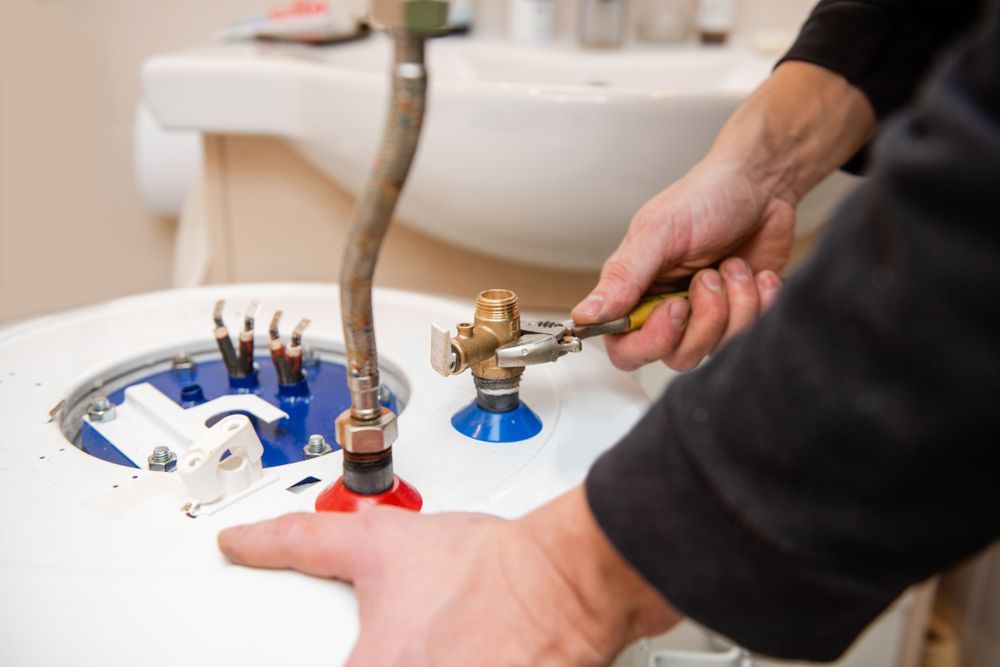
What Changes After Heating Repairs Complete
Technicians inspect gas pressure at the burners, test flame sensors for carbon buildup that prevents ignition, examine blower motors for bearing wear, and verify limit switches function correctly to prevent overheating. Cleaning burner assemblies removes rust and debris that block gas flow, while replacing faulty flame sensors or thermocouples restores the safety circuit that allows the furnace to stay lit.
Once repairs are finished, your furnace ignites reliably when the thermostat calls for heat, reaches target temperatures without cycling off prematurely, and distributes warm air evenly through all registers without cold spots in bedrooms or distant rooms. Safe operation is confirmed through combustion testing and carbon monoxide checks that verify exhaust gases vent properly outdoors.
Proper repair solutions help extend the lifespan of systems that typically operate ten to twelve years in Arizona before major component replacement becomes necessary. Addressing minor issues early prevents stress on secondary components like blower motors or control boards that fail when the system struggles to maintain operation.
Answers to Frequent Service Questions
Homeowners in Gilbert who rarely use heating systems often have questions about repair needs, safety concerns, and when component replacement becomes necessary after months of inactivity.
Why won't my furnace ignite after sitting unused all summer?
Dust accumulation on flame sensors, pilot assemblies, or electronic igniters prevents the ignition sequence from completing, while gas valve issues or thermocouple failures can also block startup after extended dormancy.
How do I know if my furnace is operating safely?
Technicians test for proper combustion by measuring flame color and pattern, checking exhaust venting for blockages, and using gas detectors to confirm no carbon monoxide leaks into living spaces during operation.
What causes uneven heating between rooms?
Closed or blocked vents, damper settings left from summer cooling configurations, or ductwork leaks in unconditioned spaces like attics allow heat to escape before reaching distant rooms.
When should I repair versus replace a failing furnace?
Furnaces older than fifteen years with cracked heat exchangers or failed gas valves typically cost more to repair than the remaining value of the equipment, making replacement more practical for long-term reliability.
How often do Arizona furnaces need professional service?
Annual inspections before winter identify issues while systems are off, allowing scheduled repairs instead of emergency calls when the first cold night reveals problems that developed over the summer.
Francisco's Cooling and Heating Inc evaluates your heating system's overall condition and provides clear repair or replacement recommendations based on component age and failure patterns. Schedule a heating system evaluation to address performance issues before temperatures drop further.