
Air Filtration Solutions for Desert Dust Conditions
Indoor Air Quality in Gilbert for homes dealing with dust accumulation and airborne contaminants in dry climates
Dust settles on furniture within hours of cleaning, allergy symptoms worsen indoors, and visible particles float through sunlight streaming into Gilbert homes where low humidity and constant wind activity stir desert soil and vegetation debris. Indoor air quality solutions from Francisco's Cooling and Heating Inc reduce airborne contaminants through upgraded filtration systems, air purifiers, and ventilation improvements that work alongside existing HVAC equipment. Gilbert's dry environment creates unique challenges because low moisture levels allow smaller particles to remain suspended longer and irritate respiratory systems more than humid climates where dust settles faster.
Installation of air purifiers and advanced filtration systems captures particles ranging from large dust and pollen down to microscopic allergens and bacteria that pass through standard one-inch furnace filters. Ventilation upgrades bring controlled fresh air into tightly sealed homes built to modern energy codes, preventing stale air accumulation while maintaining temperature control. These systems integrate with your existing ductwork and HVAC controls to filter air continuously during heating and cooling cycles.
Schedule an air quality assessment to evaluate filtration options and ventilation improvements for your home's specific dust and allergen concerns.
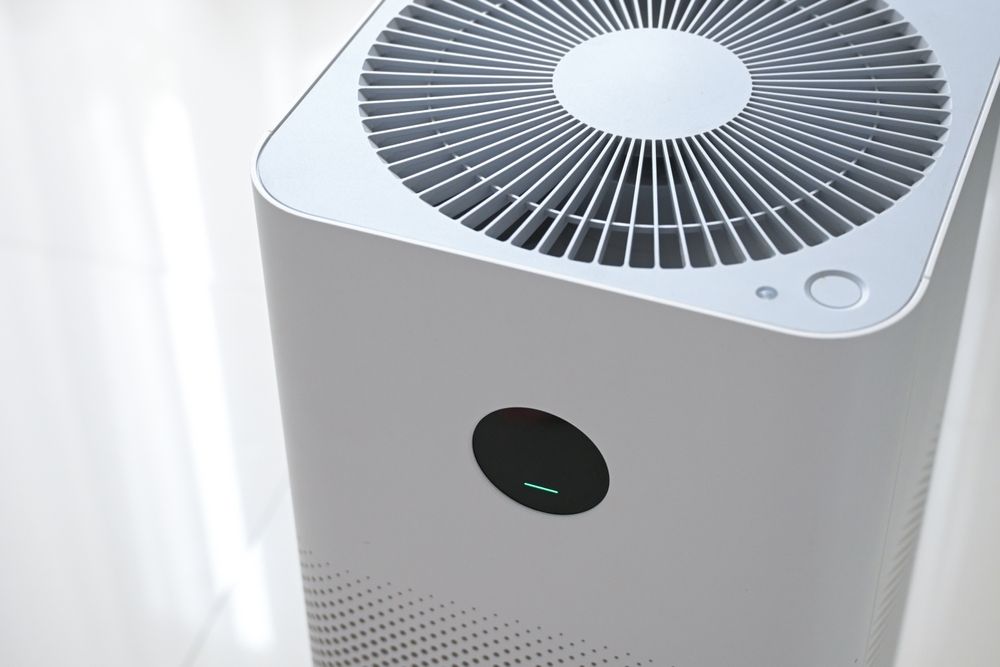
Why Air Quality Systems Work for Desert Environments
Whole-home air purifiers use HEPA filtration or electronic precipitation to remove contaminants without restricting airflow that standard high-MERV filters often block, forcing HVAC systems to work harder. UV light systems installed in ductwork neutralize mold spores and bacteria that grow in condensate pans and evaporator coils where moisture accumulates during cooling cycles. Ventilation systems exchange stale indoor air with filtered outdoor air on controlled schedules, preventing carbon dioxide buildup and cooking odors without opening windows that let in unfiltered dust.
After installation, you'll notice less dust accumulation on surfaces between cleanings, fewer allergy symptoms during high-pollen spring months, and reduced odors from cooking or pets as filtration systems cycle air continuously. The indoor environment feels fresher without the stuffiness that develops in sealed homes, and HVAC performance improves when advanced filters keep coils and blower components cleaner longer.
Air quality improvements work most effectively when combined with regular HVAC maintenance that keeps ductwork clean and prevents the system itself from distributing contaminants. Selecting the right filtration level depends on specific concerns like pet dander, seasonal allergies, or dust sensitivity, with options ranging from basic media filters to hospital-grade purification systems.
Common Questions About This Service
Gilbert homeowners concerned about indoor dust levels and air cleanliness often ask how filtration systems integrate with existing HVAC equipment and what improvements they'll actually notice.
What causes excessive dust in desert homes?
Low humidity allows fine soil particles to remain airborne longer, construction activity stirs loose desert dirt, and landscaping choices like rock yards generate more dust than grass lawns common in humid regions.
How do air purifiers differ from standard furnace filters?
Purifiers use electronic or HEPA technology to capture particles down to 0.3 microns including bacteria and smoke, while standard filters primarily catch larger dust and debris to protect HVAC components rather than improve breathing air.
Why does dry climate matter for indoor air quality?
Gilbert's average humidity below twenty percent allows allergens and dust to stay suspended in air longer, increases static electricity that attracts particles to surfaces, and dries out respiratory membranes making them more sensitive to irritants.
When should I upgrade my home's air filtration?
Persistent allergy symptoms indoors, visible dust on furniture within a day of cleaning, or family members with asthma or respiratory sensitivities benefit most from advanced filtration beyond basic HVAC filters.
What maintenance do air quality systems require?
HEPA filters need replacement every twelve to eighteen months depending on usage, UV bulbs require annual replacement to maintain effectiveness, and electronic purifiers need periodic cleaning of collection plates.
Francisco's Cooling and Heating Inc evaluates your current filtration setup and recommends solutions based on your specific air quality concerns and HVAC system compatibility. Request a consultation to review filtration and ventilation options that address dust and allergen issues in your home.